What to Do After a Collision in Mentor, Ohio
Knowing what to do after a collision can help you stay safe, document damage, contact insurance, and begin the repair process with a clearer understanding of the next steps.
A collision can create a lot of uncertainty in a short amount of time. Once everyone is safe, the next steps usually involve documenting the scene, understanding how to obtain a police or crash report, gathering repair information, and making informed decisions before repairs begin.
If you were recently in a collision in Mentor, Lake County, or the surrounding Northeast Ohio area, the most important thing is to stay safe, document what happened, and make informed decisions before repairs begin.
This guide explains the basic steps to take after a collision and what to expect as you move from the accident scene to the repair planning process.
1. Make Sure Everyone Is Safe
Your first priority after a collision is safety. Check yourself and passengers for injuries. If anyone is injured or the vehicles are blocking traffic, call 911 immediately. If it’s safe to do so, move vehicles to the shoulder or a nearby parking area to prevent additional collisions. Turn on hazard lights and use flares or warning triangles if available.
Never put yourself at risk to document a collision or move a vehicle. If the scene is unsafe, stay in your vehicle with your seatbelt fastened until help arrives.
2. Contact the Police When Needed
Depending on the situation, a police or crash report may be needed for insurance, documentation, or claim handling. If there are injuries, major damage, disabled vehicles, unsafe conditions, or disagreement about what happened, contact law enforcement.
For collisions in Mentor, accident reports may be available through the Ohio Department of Public Safety crash report system once they are processed. If you are not sure where to find a report, you can start by checking the City of Mentor or Ohio Department of Public Safety resources.
A police or crash report can help document the date, location, vehicles involved, and basic facts of the collision. This can be useful when speaking with your insurance company or beginning the repair process.
3. Exchange Information With the Other Driver
If it is safe to do so, exchange basic information with the other driver or drivers involved.
Try to collect:
4. Take Photos Before the Vehicle Is Moved or Repaired
Photos can help document the condition of the vehicles, the surrounding scene, and any visible damage before the repair process begins. If it is safe to do so, take photos before the vehicle is moved, cleaned, disassembled, or repaired.
Try to capture both wide-angle photos and close-up details. Wide photos help show the scene and vehicle positions, while close-up photos help document damaged panels, lights, glass, wheels, bumpers, and other affected areas.
Do not put yourself at risk to take photos. If the scene is unsafe, wait until the vehicle is in a secure location.
5. Understand Your Claim Before Repairs Begin
After the collision is documented, you may need to report the claim to your insurance company and provide basic information about what happened. Before selecting a repair location or authorizing repairs, it can be helpful to speak with a certified collision repair center so you understand the repair process, documentation needs, and manufacturer repair considerations.
Your insurance company may explain coverage, deductible, rental options, and claim steps, but the repair facility you choose should be able to review the vehicle, identify visible and potential hidden damage, and help you understand what may be needed before repairs move forward.
An initial insurance estimate is often only a starting point. Additional damage may be found after the vehicle is disassembled and reviewed more closely.
6. Do Not Assume Minor Damage Is Only Cosmetic
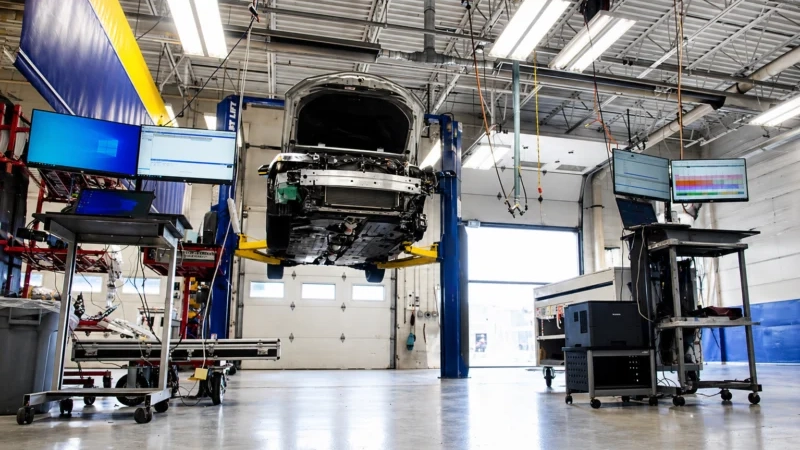
Modern vehicles are built with advanced materials, sensors, cameras, radar systems, and complex structural designs. A bumper cover, headlight, grille, quarter panel, or wheel impact may involve more than visible surface damage.
After a collision, hidden damage may include:
This is why a proper repair plan matters. A visual inspection alone may not identify everything needed to restore the vehicle correctly.
7. Choose a Repair Facility That Follows Manufacturer Procedures
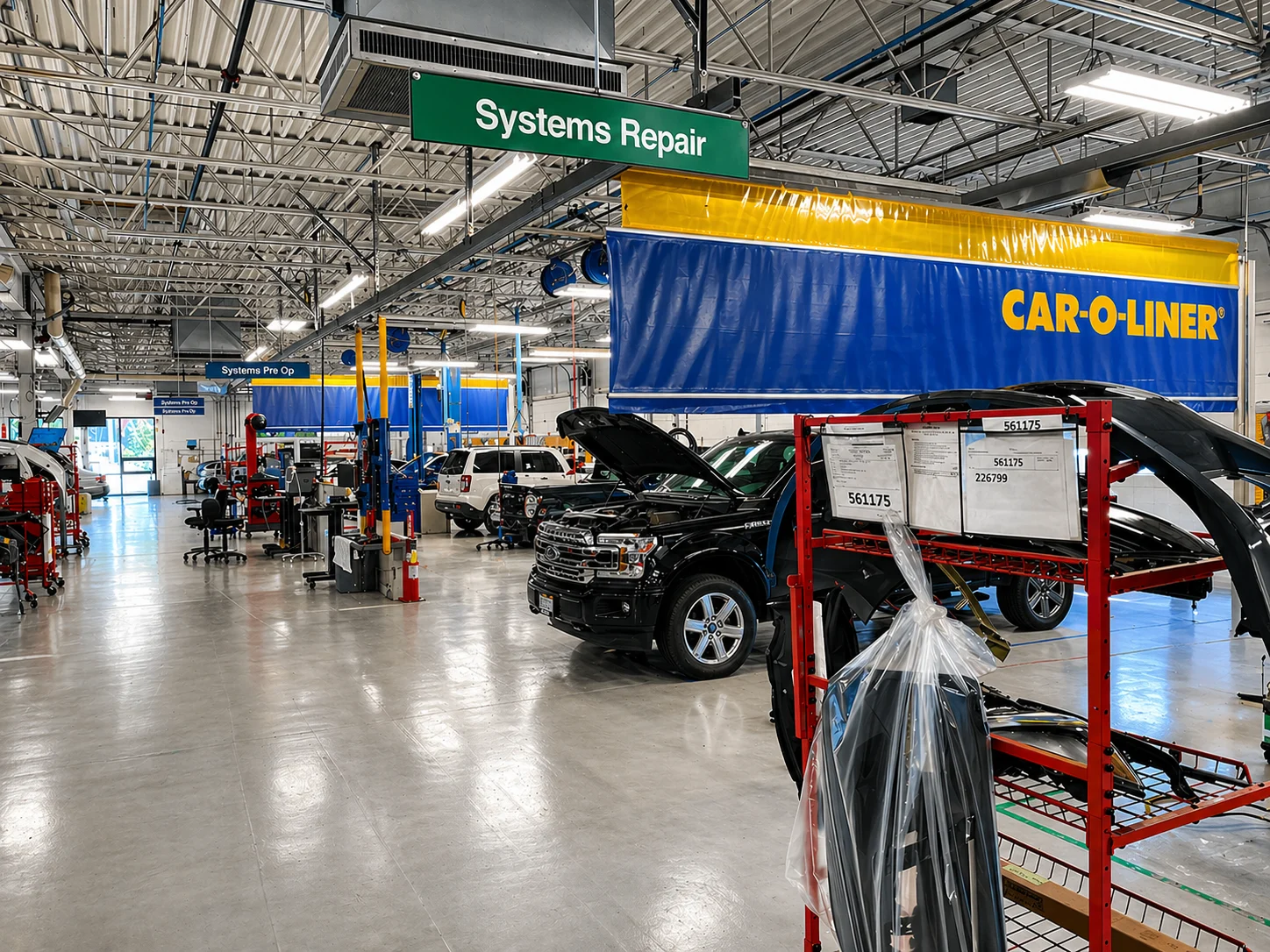
Not all collision repair facilities maintain the equipment, training, and procedural discipline required to execute manufacturer-aligned repairs. OEM-certified facilities follow documented repair procedures specific to your vehicle’s make and model.
8. Ask About ADAS and Safety System Calibration
Many newer vehicles include advanced driver assistance systems, often called ADAS. These systems may support features such as lane departure warning, adaptive cruise control, blind spot monitoring, automatic emergency braking, parking assistance, and collision warning.
After a collision, some of these systems may require inspection, diagnostic scanning, repair, or calibration. This can be true even if the warning lights are not obvious or the damage appears limited to the bumper, grille, windshield, mirrors, or body panels.
ADAS calibration requirements vary by vehicle, repair procedure, and damage location. A proper repair plan should identify whether calibration or system verification is required.
Many safety systems rely on precise sensor alignment measured in millimeters and degrees. Even minor changes in position can affect how these features respond while driving. When manufacturer procedures require calibration, it should be treated as a required repair step, not an optional add-on.
9. Keep All Repair and Claim Documents Together
As the claim and repair process moves forward, keep your documents organized. This can make communication easier and help reduce confusion.
Important items may include:
Having these items ready can help the repair facility understand the claim and begin reviewing the repair more efficiently.
10. Start the Repair Process With Clear Next Steps
Once the vehicle is safe and the collision has been documented, the next step is to begin the repair planning process.
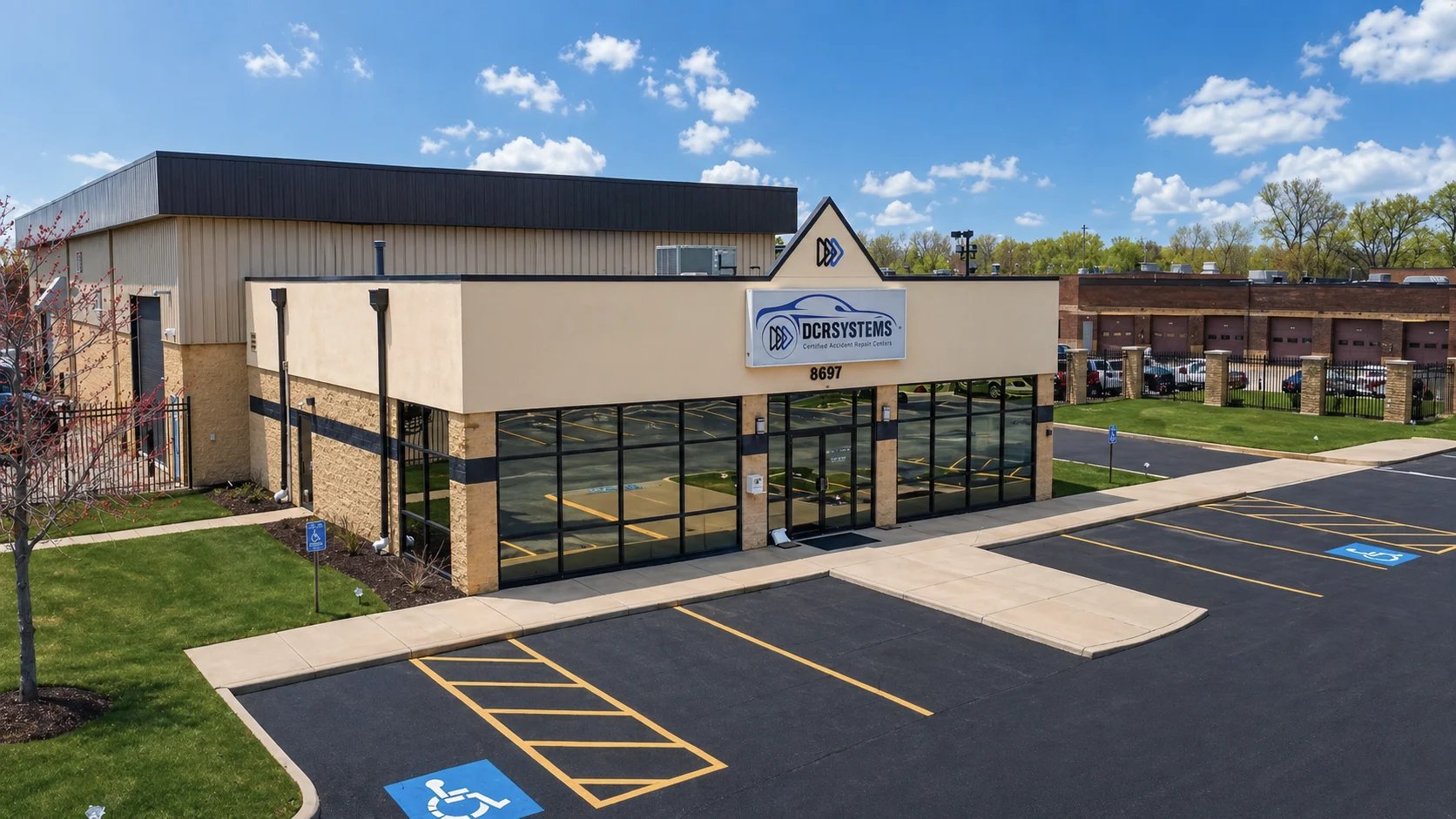
At DCR Systems Mentor, the repair process begins with reviewing the vehicle, identifying visible and potential hidden damage, and building a repair plan based on manufacturer procedures. The goal is to understand what the vehicle needs before repairs move forward.
If your vehicle was recently involved in a collision in Mentor, Lake County, or the surrounding Northeast Ohio area, you can contact our team with questions or begin the process through our online repair quote option.
Helpful Resources
Questions to Ask During the Repair Process
Final Thoughts
A collision can feel overwhelming, but the process becomes easier when you take it one step at a time. Focus first on safety, then documentation, repair planning, insurance communication, and choosing a repair facility that understands the vehicle’s repair requirements.
Even when the damage looks minor, today’s vehicles often require careful inspection, repair planning, and system verification. Taking the time to follow the right process can help ensure the repair is handled correctly from the beginning.