
Structural Repair in Mentor, Ohio
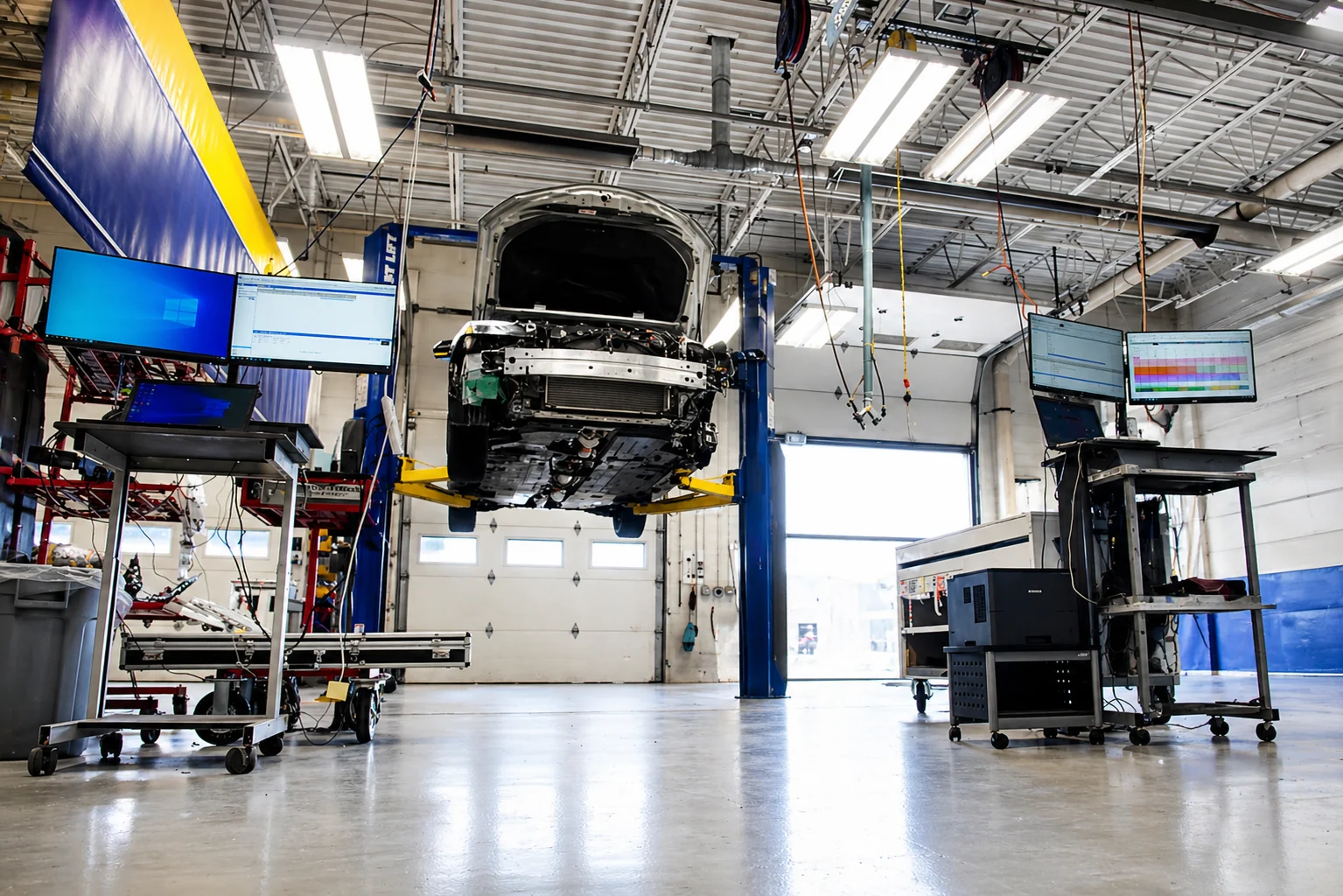
Structural damage affects a vehicle’s load-bearing structure and overall alignment. DCR Systems Mentor performs structural repairs according to manufacturer repair procedures,using precision measuring equipment to restore factory specifications. Each repair is verified to ensure the vehicle is returned to its original design standards.
What is Structural Repair?
Structural repair addresses damage to the vehicle’s core support system, including the frame or unibody. Unlike cosmetic damage that affects exterior panels and appearance, structural damage impacts the components that keep the vehicle properly aligned and functioning as designed.
Modern vehicles are built with reinforced areas that help manage impact forces during a collision. These systems depend on accurate alignment throughout the vehicle’s structure. When distortion occurs, those alignment points must be restored according to manufacturer specifications.
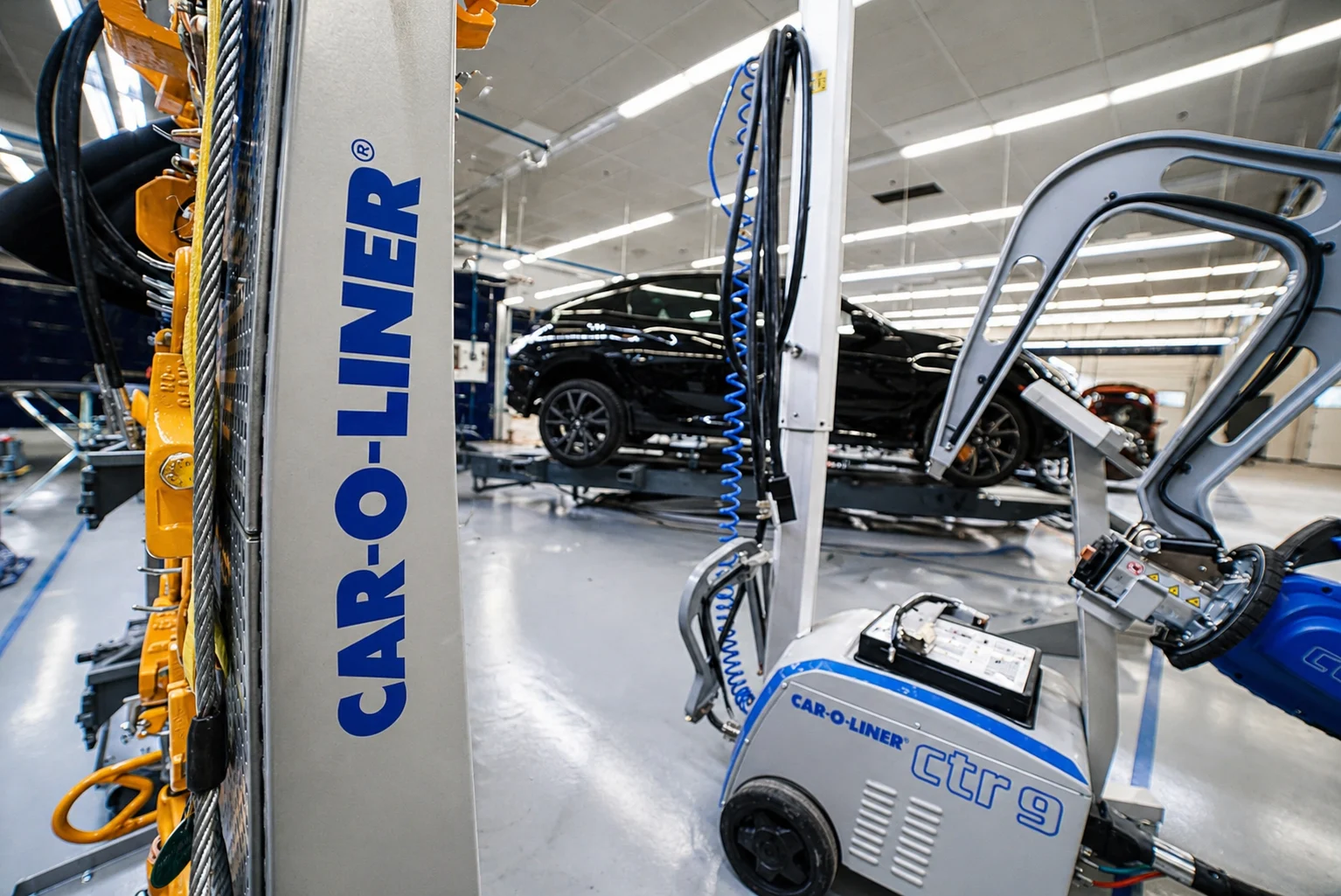
Structural repair involves precise measurement and manufacturer-approved procedures to return the vehicle to factory specifications. The goal is to restore proper alignment and overall performance, not simply the vehicle’s outward appearance.
TECHNICAL MEASUREMENT
Precision Measurement & Structural Verification
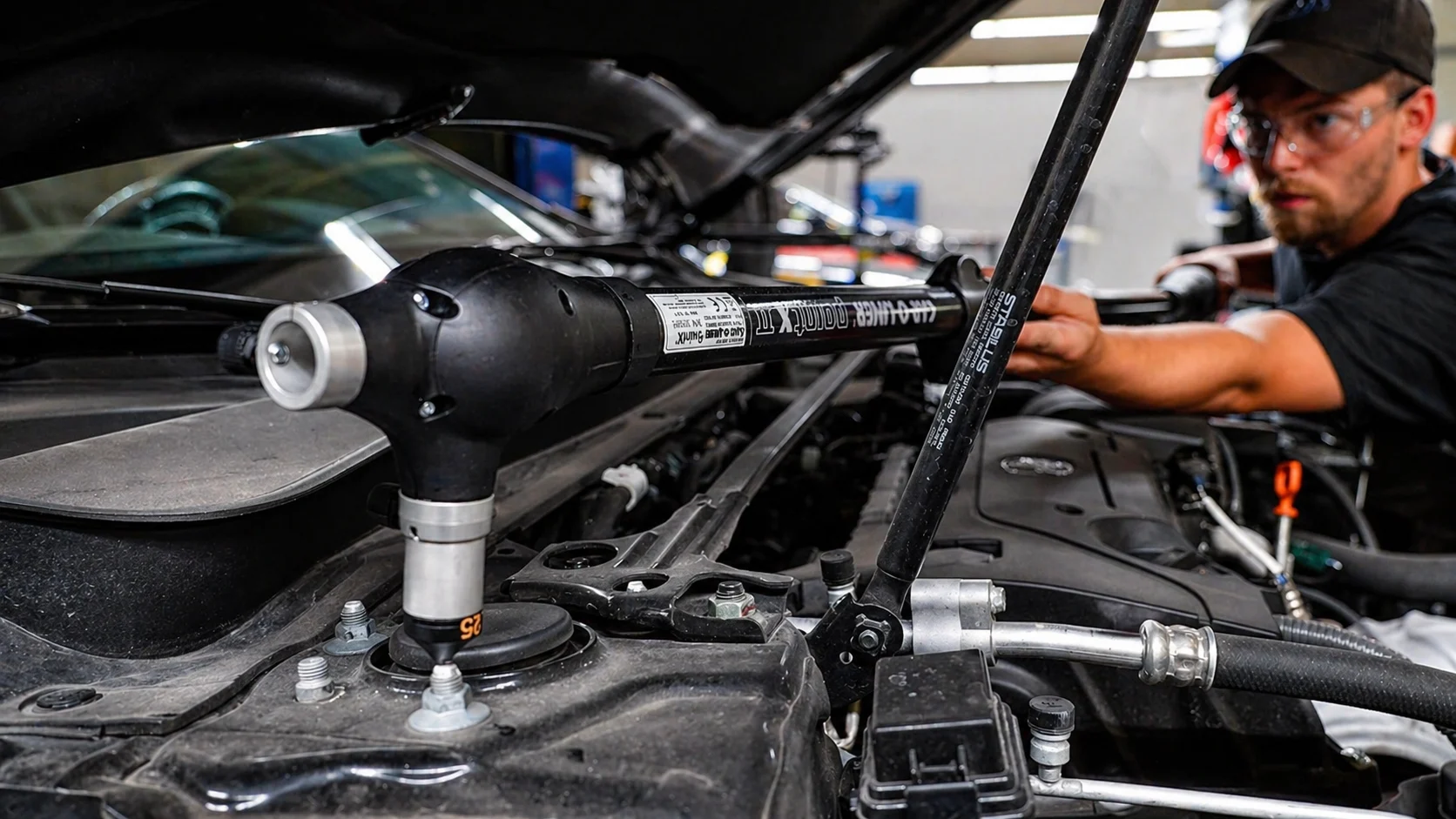
Structural correction begins with measurement. Electronic measuring systems are used to compare the vehicle’s structural reference points to manufacturer-provided dimensional data.
These systems identify deviations within the vehicle’s framework and guide corrective procedures based on documented tolerances. Measurement is performed at multiple stages, including initial assessment, during structural correction, and after repair completion.
Structural reference points, suspension mounting locations, and critical attachment areas are verified against manufacturer engineering data. Final validation ensures the vehicle structure conforms to documented dimensional requirements before subsequent repair phases proceed.
OEM PROCEDURES
OEM-Approved Structural Procedures
Structural repairs are performed according to manufacturer repair documentation specific to each vehicle platform. These procedures define approved attachment methods, replacement criteria, and material requirements.
Attachment Methods
OEM repair manuals define approved joining techniques based on structural location and material type. These methods may include MIG welding, resistance spot welding, rivet bonding, or structural adhesive applications selected according to manufacturer guidelines.
Welding & Bonding Requirements
Welding and bonding procedures vary by material type and structural application. High-strength steels require controlled heat input, while aluminum components require dedicated tools and isolation procedures to maintain proper material performance.
Fastener & Torque Specifications
Structural fasteners are installed according to manufacturer torque values and sequencing requirements. Torque-to-yield fasteners are replaced as specified to maintain proper clamping force and consistent load distribution.
Corrosion Protection & Sealing
Structural repairs may expose areas requiring corrosion protection. Manufacturer procedures specify primer systems, seam sealing methods, and cavity protection applications to preserve long-term durability and protection.
SAFETY INTEGRATION
Structural Integrity & Safety Systems
Vehicle structure supports the proper positioning and function of integrated safety systems. Accurate alignment ensures that structural components and mounting points remain in the positions defined by the manufacturer.
Structural Repair Serving Mentor & Lake County
DCR Systems Mentor provides structural repair services in Mentor, Ohio, supporting drivers throughout Lake County and Northeast Ohio. Structural corrections are performed according to manufacturer repair documentation and verified using electronic measuring systems to restore proper alignment and structural integrity.
ENGINEERING STANDARDS
Structural Repair Planning & OEM Guidelines
Structural repair decisions are guided by vehicle-specific manufacturer documentation that defines approved repair methods, sectioning locations, and replacement criteria.
OEM structural manuals determine whether a component may be repaired, reinforced, or replaced based on material type and the extent of damage. These determinations are specific to each vehicle platform and follow published engineering standards.
Repair planning includes reviewing manufacturer procedures to confirm approved attachment methods, alignment requirements, and required verification steps. Structural correction is performed according to OEM-defined standards rather than generalized repair practices.
Additional information regarding manufacturer certifications and documented repair standards is available on our certifications page.
Structural Repair FAQs
Schedule a Repair Consultation
DCR Systems Mentor performs structural repairs in accordance with manufacturer repair documentation and OEM certification requirements. If your vehicle has sustained structural damage or requires dimensional evaluation, contact our Mentor facility to discuss your next steps.