Why ADAS Calibration May Be Needed After Collision Repair

Published On: June 4, 20266.2 min read

Understanding ADAS calibration after collision repair can help you see why cameras, sensors, scans, and manufacturer procedures may be part of a complete repair.
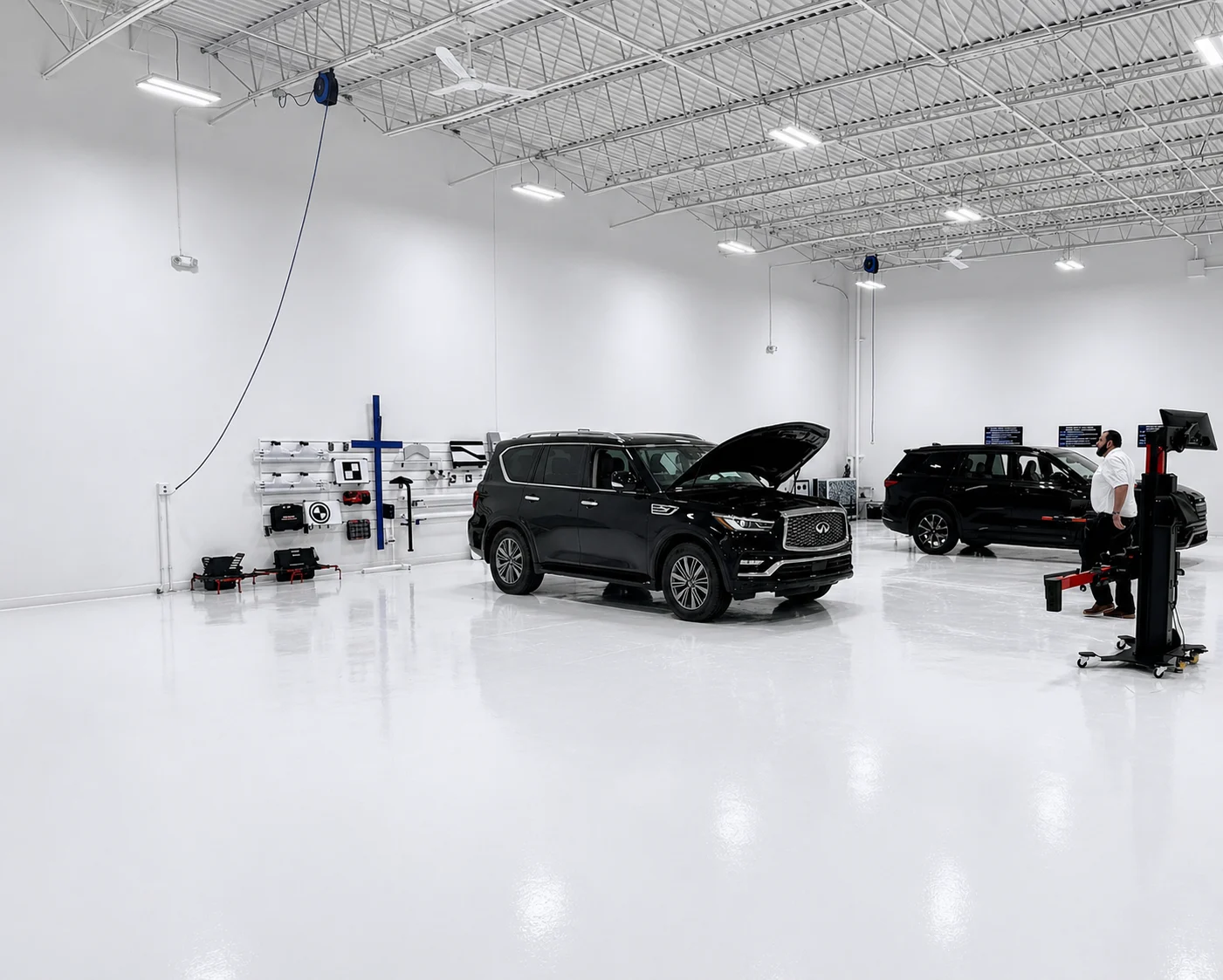
Multiple vehicles staged in a clean ADAS calibration bay with alignment equipment and technician

Modern vehicles rely on more than sheet metal, glass, and mechanical parts. Many vehicles now include advanced driver assistance systems, often called ADAS, that use cameras, radar sensors, ultrasonic sensors, and other components to help monitor the vehicle’s surroundings.

After a collision, some of these systems may need to be inspected, scanned, repaired, or calibrated before the repair process is complete. Even when damage appears minor, the sensors and cameras that support these features may be located near bumpers, windshields, mirrors, grilles, body panels, suspension components, or structural areas affected by the impact.

At DCR Systems Mentor, ADAS calibration is evaluated as part of a documented collision repair process based on vehicle-specific manufacturer repair procedures.

What This Article Covers
  • What ADAS systems do

  • Why calibration may be needed after collision repair

  • How bumpers, windshields, suspension, and structure can affect sensors

  • Why scans and calibration are different steps

  • Why manufacturer procedures determine the repair process

  • How documentation supports a complete repair

What Is ADAS?

ADAS stands for Advanced Driver Assistance Systems. These systems are designed to support the driver by helping the vehicle detect certain road conditions, objects, lane markings, vehicles, pedestrians, or obstacles.

These systems do not replace the driver. They are designed to assist the driver when operating properly. Because they depend on precise sensor positioning and communication, collision repair can involve more than replacing damaged parts.

Forward Collision Warning

Helps monitor traffic ahead and warn the driver of a possible collision.

Automatic Emergency Braking

May help apply braking support when a potential frontal collision is detected.

Lane Departure Warning

Uses cameras to help identify lane markings and alert the driver when drifting occurs.

Lane Keeping Assistance

May help support steering corrections when the vehicle begins to leave its lane.

Adaptive Cruise Control

Uses radar or cameras to help maintain distance from traffic ahead.

Blind Spot Monitoring System

Uses sensors to help detect vehicles in areas that may be difficult to see.

Other systems may include rear cross-traffic alert, parking assistance, surround-view cameras, and related driver assistance features.

Why Calibration May Be Needed After Collision Repair

ADAS cameras and sensors must be aimed, positioned, and communicating according to manufacturer specifications. If a sensor is removed, replaced, disconnected, shifted, covered, or affected by nearby repairs, calibration may be required.

Calibration helps confirm that the system is seeing and interpreting the vehicle’s surroundings from the correct position.

A system that is not properly calibrated may not perform as intended. That is why calibration requirements are not guessed during the repair process. They are determined by the manufacturer’s repair procedures for that specific vehicle and repair situation.

Repairs That May Affect ADAS Systems

Not every collision repair requires calibration, but several common repair areas may trigger the need for inspection, scanning, or calibration.

Bumper Repairs

Many vehicles have radar sensors, parking sensors, blind spot sensors, or other components located behind or near the bumper cover. A bumper may look like a cosmetic part, but on modern vehicles, it can be connected to important driver assistance systems.

Windshield Replacement

Many vehicles use a forward-facing camera mounted near the windshield or rearview mirror. When a windshield is replaced or the camera is removed and reinstalled, calibration may be required so the camera is properly aligned.

Suspension and Alignment Work

ADAS systems depend on the vehicle’s position, ride height, steering angle, and wheel alignment. If a collision affects the suspension, steering, or alignment, those changes may also affect how certain safety systems perform.

Structural Repairs

Structural damage can affect the position of mounting points, sensor brackets, body openings, and surrounding panels. Even small changes in structure or component position may matter when sensors and cameras depend on precise alignment.

Important:

Not every collision repair requires ADAS calibration. Calibration needs are determined by the vehicle manufacturer’s repair procedures based on the specific vehicle, damage, and repair steps performed.

Diagnostic Scanning vs. ADAS Calibration

Scanning does not replace calibration, and calibration does not replace scanning. They are different steps that may both be needed depending on the vehicle and repair.

Diagnostic Scanning
  • Checks for fault codes

  • Helps identify communication issues

  • Often performed before and after repairs

  • Documents system status

  • May reveal warnings that are not visible during a basic inspection

ADAS Calibration
  • Confirms sensor or camera aim

  • Follows manufacturer setup procedures

  • May be static, dynamic, or both

  • Documents completed calibration steps

  • Helps verify system positioning after repair work

Static vs. Dynamic Calibration

Static Calibration

Performed in a controlled environment using specific targets, measurements, floor space, lighting conditions, and manufacturer-defined setup procedures.

Dynamic Calibration

Performed while driving the vehicle under specific road, speed, lane marking, and environmental conditions while the system relearns or verifies sensor operation.

Some vehicles may require both. The correct process depends on the manufacturer’s repair procedures.
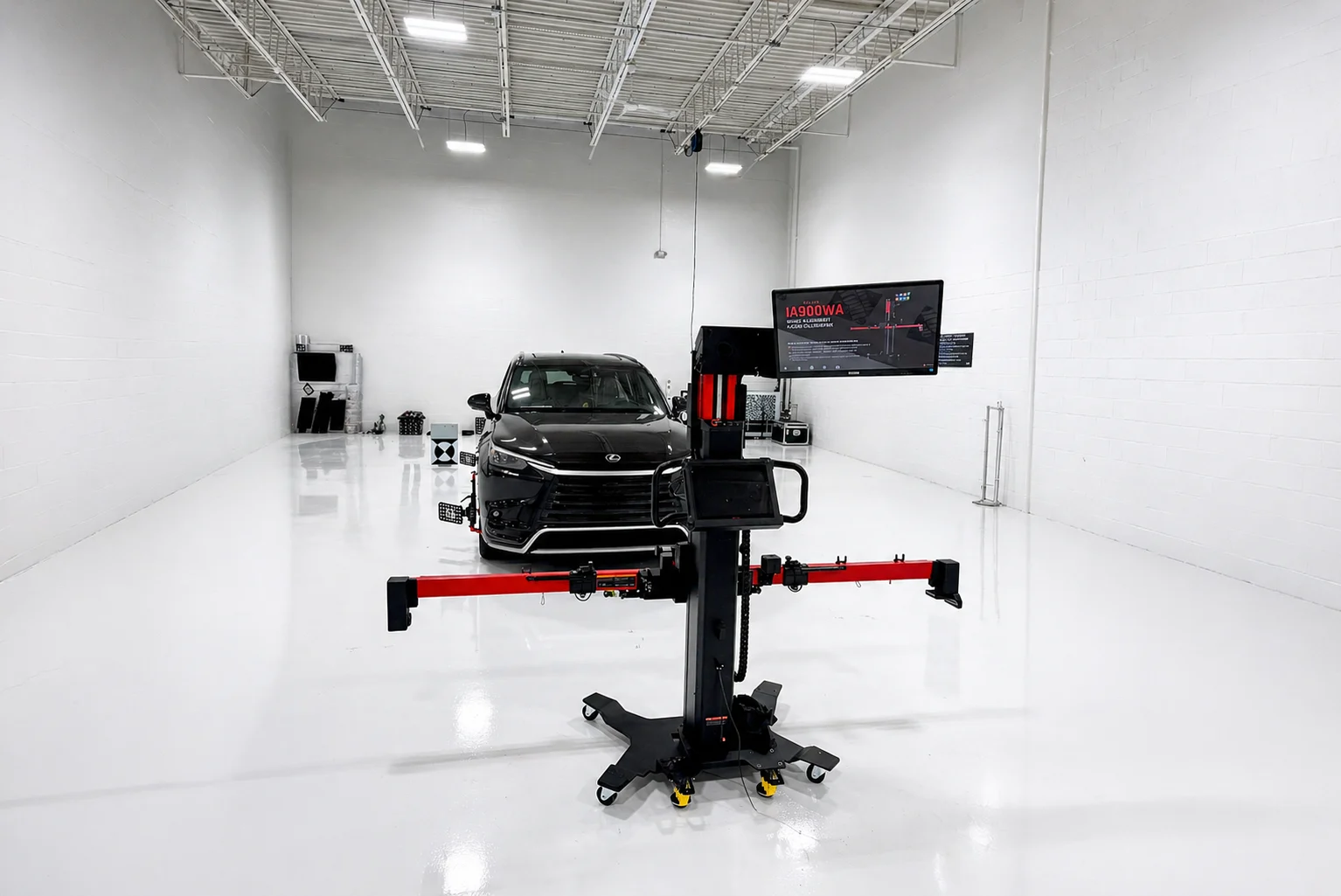
Vehicle positioned for ADAS calibration with alignment system in a controlled clean environment

ADAS calibration procedures help verify that cameras and sensors are aligned according to manufacturer requirements.

Why Manufacturer Procedures Matter

ADAS calibration requirements vary by manufacturer, model, model year, trim level, and installed equipment. Two vehicles may look similar but have different calibration requirements.

That is why a repair facility should not rely only on experience or assumptions. The repair plan should be built around the manufacturer’s documented procedures.

Manufacturer procedures may define:
  • When calibration is required

  • Which systems must be scanned or inspected

  • Whether static or dynamic calibration is needed

  • What targets, tools, or setup conditions are required

  • Whether wheel alignment or ride height checks must be completed first

  • What documentation should be retained with the repair file

Why Documentation Is Important

ADAS calibration is not just a technical step. It is also a documentation step.

A properly documented repair may include scan reports, calibration reports, repair procedure references, measurements, photos, alignment records, and other supporting information. This documentation helps show what was reviewed, what was completed, and how the repair process was verified.

For vehicle owners, this documentation can also help explain why certain repair steps were needed during the claim process.

Repair documentation may include:
  • Pre-repair scan reports

  • Post-repair scan reports

  • Calibration reports

  • Alignment records

  • Photos

  • OEM repair procedure references

ADAS Calibration and Collision Repair in Mentor, Ohio

At DCR Systems Mentor, collision repair is approached with attention to manufacturer procedures, repair documentation, and modern vehicle safety systems. When ADAS calibration may be required, our team reviews the vehicle-specific repair information and documents the needed steps as part of the repair process.

Whether the repair involves a bumper, windshield, suspension component, structural area, or safety system warning, ADAS considerations should be reviewed before the repair is considered complete.
Frequently Asked Questions About ADAS Calibration

No. Calibration requirements depend on the vehicle, damage, repair steps, and manufacturer procedures.

No. Scanning checks for codes and communication issues, while calibration verifies camera or sensor positioning when required.

It may. Some vehicles have radar, parking, or blind spot sensors near or behind bumper areas.

Not Sure If Your Vehicle Needs ADAS Calibration?

If your vehicle was involved in a collision, DCR Systems Mentor can help review the damage, explain the repair process, and identify whether scanning, inspection, or ADAS calibration may be part of the repair plan.

Helpful Resources

Contact Us

Speak with our team about your collision repair needs

Online Quote

Share basic information to begin the repair process.

Calibration Services

Learn more about the calibration process.

Additional Insights

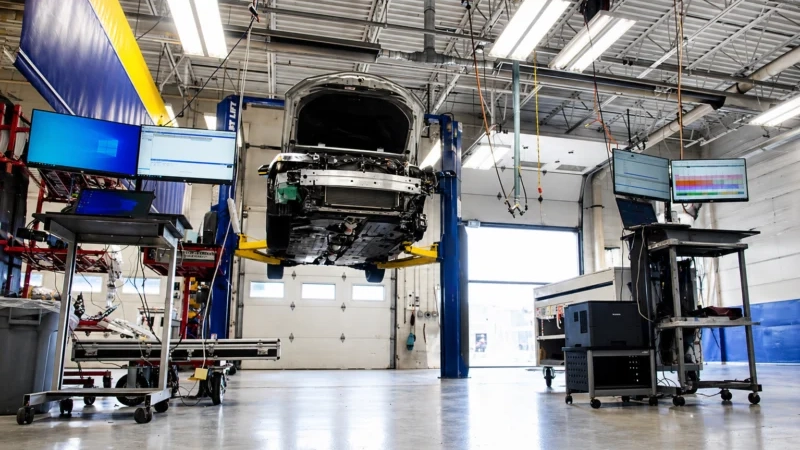
  • Vehicle undergoing pre-repair diagnostic inspection and systems evaluation at DCR Systems Mentor

    Why OEM Certified Collision Repair Matters

    OEM certified collision repair helps support manufacturer procedures, structural accuracy, ADAS safety systems, and documentation after a collision.

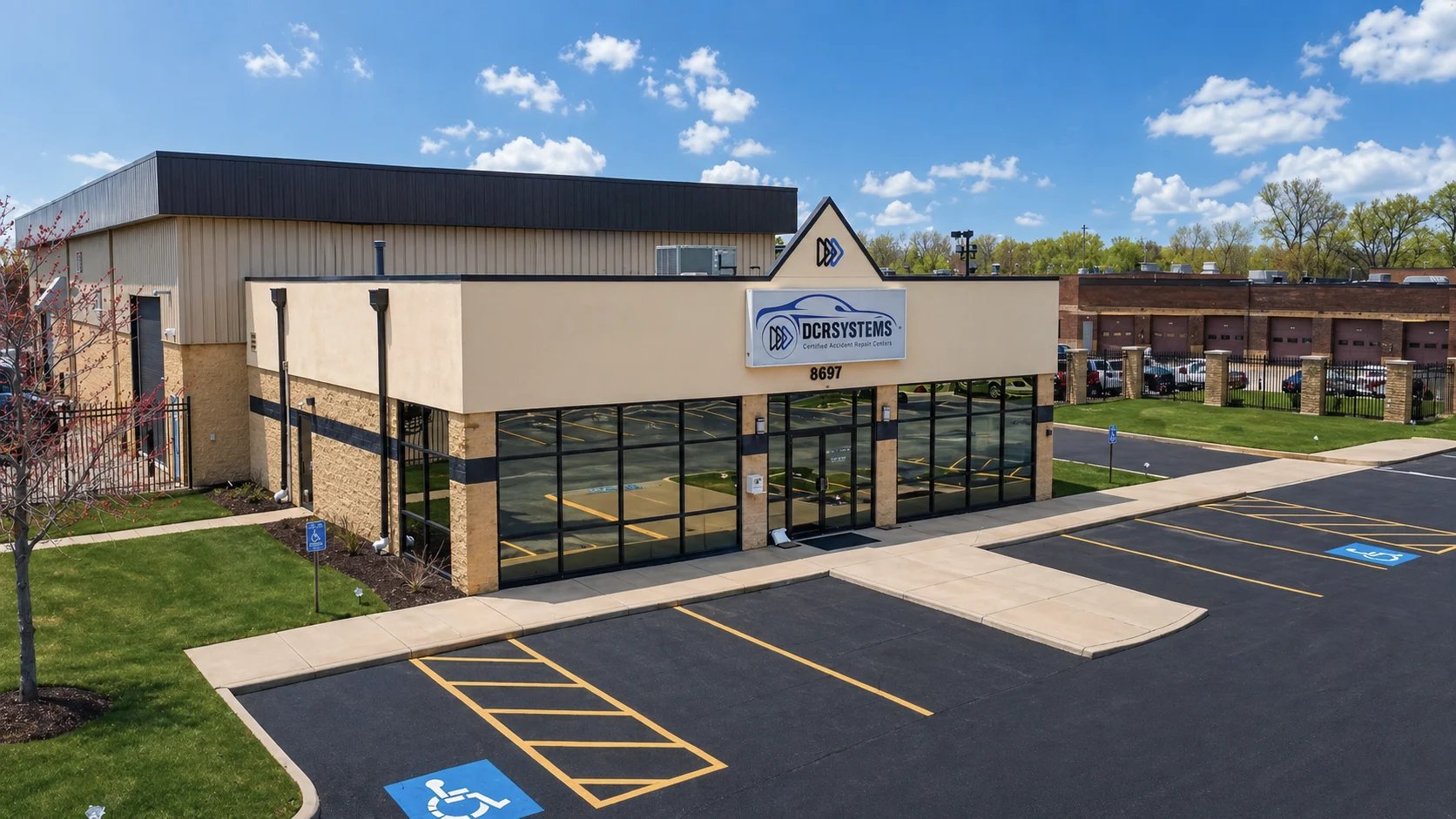
  • DCR Systems Mentor collision repair facility exterior building and parking lot

    What to Do After a Collision in Mentor, Ohio

    Knowing what to do after a collision can help you stay safe, document damage, contact insurance, and begin the repair process with a clearer understanding of the next steps.

Questions About Collision Repair?

Contact DCR Systems Mentor to discuss your vehicle and next steps.