Why ADAS Calibration May Be Needed After Collision Repair
Understanding ADAS calibration after collision repair can help you see why cameras, sensors, scans, and manufacturer procedures may be part of a complete repair.
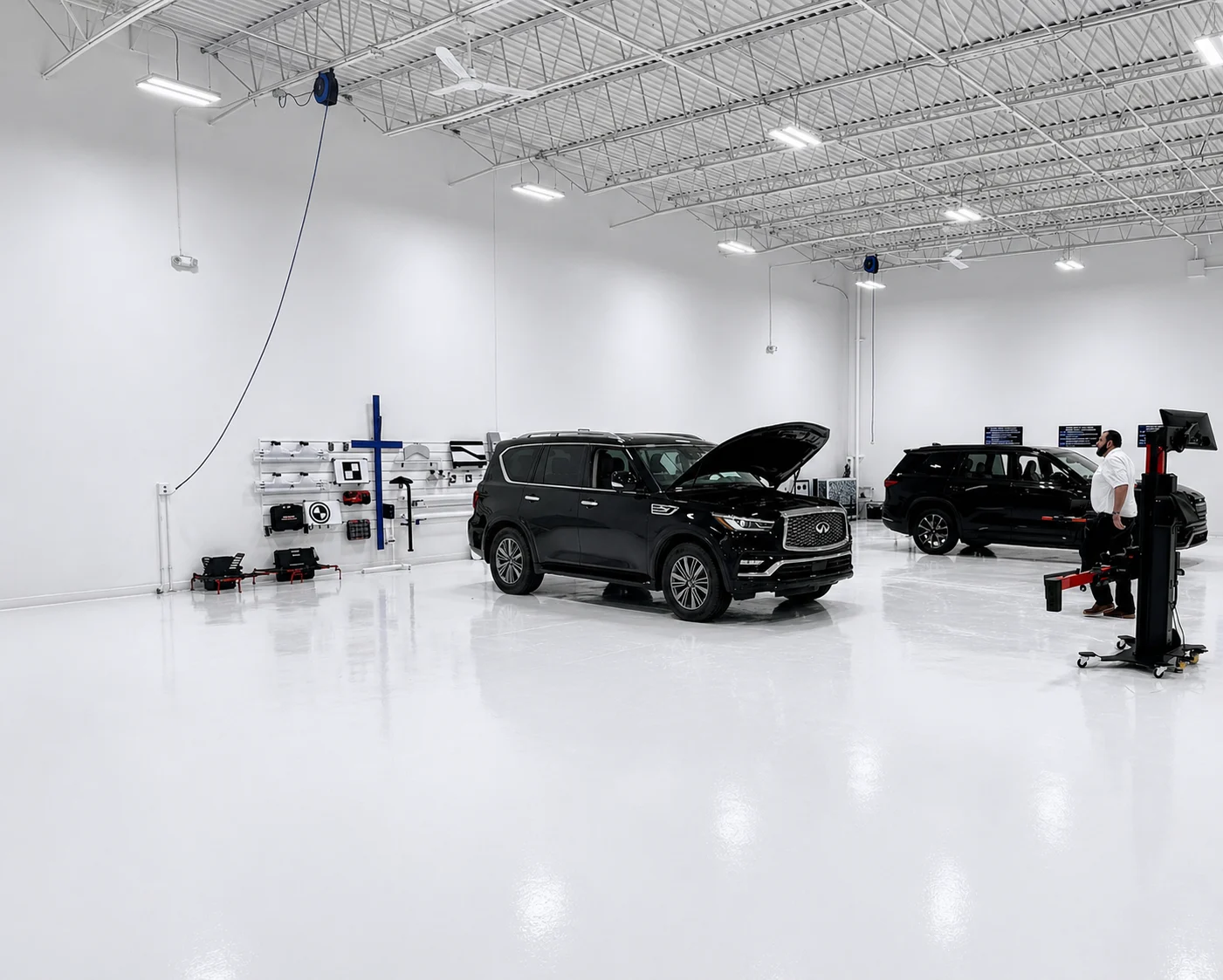
Modern vehicles rely on more than sheet metal, glass, and mechanical parts. Many vehicles now include advanced driver assistance systems, often called ADAS, that use cameras, radar sensors, ultrasonic sensors, and other components to help monitor the vehicle’s surroundings.
After a collision, some of these systems may need to be inspected, scanned, repaired, or calibrated before the repair process is complete. Even when damage appears minor, the sensors and cameras that support these features may be located near bumpers, windshields, mirrors, grilles, body panels, suspension components, or structural areas affected by the impact.
At DCR Systems Mentor, ADAS calibration is evaluated as part of a documented collision repair process based on vehicle-specific manufacturer repair procedures.
What Is ADAS?
ADAS stands for Advanced Driver Assistance Systems. These systems are designed to support the driver by helping the vehicle detect certain road conditions, objects, lane markings, vehicles, pedestrians, or obstacles.
These systems do not replace the driver. They are designed to assist the driver when operating properly. Because they depend on precise sensor positioning and communication, collision repair can involve more than replacing damaged parts.
Other systems may include rear cross-traffic alert, parking assistance, surround-view cameras, and related driver assistance features.
Why Calibration May Be Needed After Collision Repair
ADAS cameras and sensors must be aimed, positioned, and communicating according to manufacturer specifications. If a sensor is removed, replaced, disconnected, shifted, covered, or affected by nearby repairs, calibration may be required.
Calibration helps confirm that the system is seeing and interpreting the vehicle’s surroundings from the correct position.
A system that is not properly calibrated may not perform as intended. That is why calibration requirements are not guessed during the repair process. They are determined by the manufacturer’s repair procedures for that specific vehicle and repair situation.
Repairs That May Affect ADAS Systems
Not every collision repair requires calibration, but several common repair areas may trigger the need for inspection, scanning, or calibration.
Not every collision repair requires ADAS calibration. Calibration needs are determined by the vehicle manufacturer’s repair procedures based on the specific vehicle, damage, and repair steps performed.
Diagnostic Scanning vs. ADAS Calibration
Scanning does not replace calibration, and calibration does not replace scanning. They are different steps that may both be needed depending on the vehicle and repair.
Static vs. Dynamic Calibration
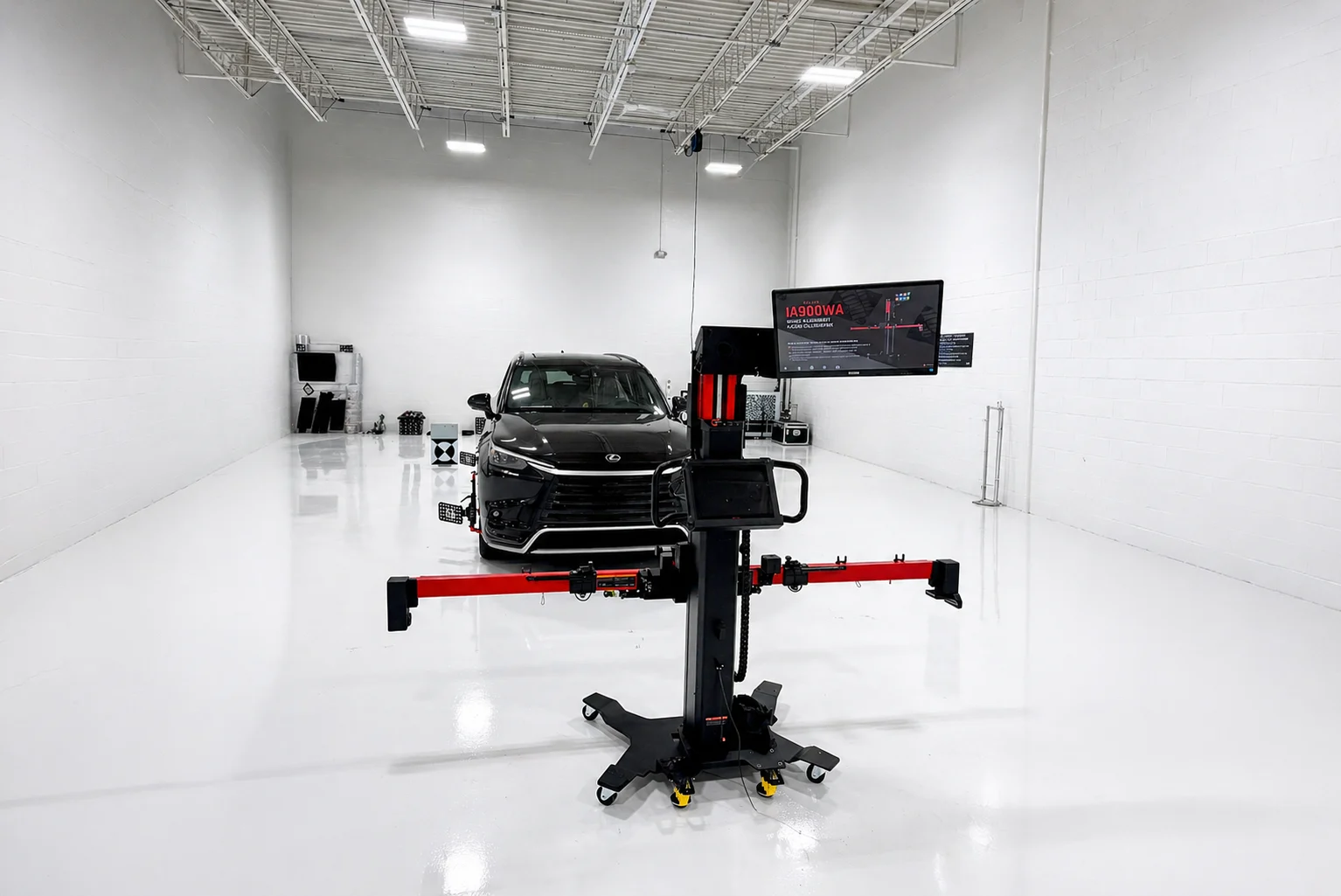
ADAS calibration procedures help verify that cameras and sensors are aligned according to manufacturer requirements.
Why Manufacturer Procedures Matter
ADAS calibration requirements vary by manufacturer, model, model year, trim level, and installed equipment. Two vehicles may look similar but have different calibration requirements.
That is why a repair facility should not rely only on experience or assumptions. The repair plan should be built around the manufacturer’s documented procedures.
Why Documentation Is Important
ADAS calibration is not just a technical step. It is also a documentation step.
A properly documented repair may include scan reports, calibration reports, repair procedure references, measurements, photos, alignment records, and other supporting information. This documentation helps show what was reviewed, what was completed, and how the repair process was verified.
For vehicle owners, this documentation can also help explain why certain repair steps were needed during the claim process.
ADAS Calibration and Collision Repair in Mentor, Ohio
At DCR Systems Mentor, collision repair is approached with attention to manufacturer procedures, repair documentation, and modern vehicle safety systems. When ADAS calibration may be required, our team reviews the vehicle-specific repair information and documents the needed steps as part of the repair process.
Whether the repair involves a bumper, windshield, suspension component, structural area, or safety system warning, ADAS considerations should be reviewed before the repair is considered complete.